

If someone who owns a mobile home, you're aware that caring for your home is essential for its longevity and well-being. One crucial aspect that often gets forgotten is adjusting your mobile home. An unlevel mobile home can lead to a variety of problems, including damage to the structure, higher maintenance costs, and even health hazards. Knowing how to level your mobile home is essential to keeping it sound, pleasant, and pleasant for you and your family.
In this comprehensive guide, we will walk you through the complete step-by-step process for adjusting your mobile home like a professional. Whether you're a seasoned DIY lover or a first-time homeowner, this guide is designed to provide you with the essential information you require. From identifying the signs that your home is not level to exploring crucial tools, techniques, and safety precautions, this guide has you covered. By the end of this guide, you will gain the confidence and confidence to tackle the leveling process yourself and avoid costly mistakes. Let's begin and guarantee your mobile home stands stable and stable for years to come.
Grasping the Importance for Leveling
A manufactured home that is uneven can lead to a range of serious problems that affect both the structure and the quality of your home environment. Over time, even slight changes in the ground beneath your home can cause it to settle unevenly, which may result in problems such as squeaking floors, misaligned doors, and fissures in walls. These problems are more than cosmetic; they can also lead to more severe structural damage if ignored.
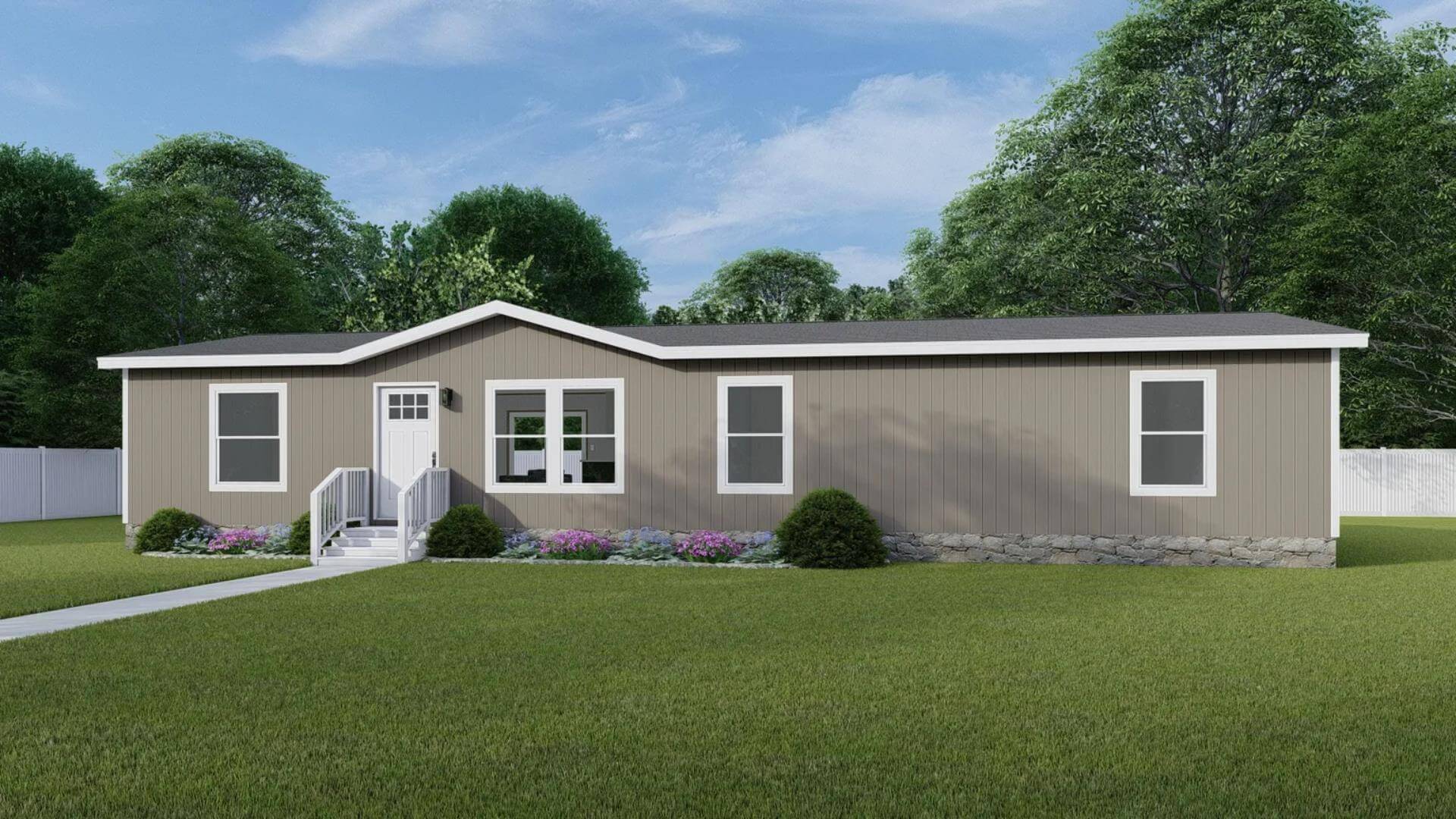
Releveling your mobile home is essential for preserving its structural integrity and ensuring it remains a secure place to live. How to level a mobile home puts excessive stress on its base, which can lead to further sinking or shifting. Moreover, uneven support can affect water systems and power systems, creating potential hazards and costly repairs in the future. Recognizing the need of leveling is key for any homeowner looking to preserve their investment.
In furthermore to physical stability, a level mobile home contributes to ease and ease of use. When your home is correctly leveled, you will notice an immediate improvement in how doors and openings operate, devices function, and fixtures sits. This improvements not only enhance your daily living experience but can also boost the sales value of your home. Realizing the need for leveling is the initial step in ensuring your mobile home remains a secure and pleasant environment.
Key Equipment and Readiness
Prior to commencing the journey to stabilize your manufactured home, it's crucial to gather the necessary instruments and supplies. You'll need a few basic tools for the task, including a spirit level, a tape measure, jacks, and leveling pads or shims. Depending on your specific circumstances, a specialized jack particularly designed for mobile homes might be helpful for safely raising the home. Additionally, think about having a water level or a laser measuring tool on hand for greater accuracy during the procedure.
Preparation goes beyond just collecting tools; it involves inspecting your manufactured home and the surrounding area. Remove any obstacles around the base, such as rubble or excessively grown vegetation, to ensure a unobstructed working area. Then, inspect the mobile home's foundation, looking for signs of deterioration or damage that may need attention before leveling. It's also important to take a careful look at the ground quality and water runoff around your home, as these factors can influence both the leveling process and the long-term stability of your manufactured home.
Once your instruments are ready and the area is clear, take a moment to create a strategy for leveling. This phase should include assessing how much correction is necessary and determining which areas need lifting or supporting. Preparing yourself mentally and physically for the task ahead will contribute to a smoother leveling process. By making sure you have all that you require and the area is adequately set up, you'll set yourself up for success in leveling your manufactured home with expertise.
Detailed Leveled Procedure
To start the leveling process, make sure you have the necessary tools and materials on hand. You'll need a level, jacks, lifting blocks or support piers, shims, and a measurement tape. First, conduct a thoroughly detailed inspection surrounding your trailer to identify any outward signs of unevenness or foundation issues. Check door frames and window seals for gaps, as these can signal a unlevel floor. Use house leveling to assess multiple points throughout your home, taking note of areas that are noticeably out of alignment.
Next, find out where to place your jacks or supports. Start at the center of the home and progress your way in the direction of the corners. Cautiously raise the sections of the home needing adjustment, adding blocks or piers as you continue to stabilize the structure. Use shims for precise adjustments; they can help you obtain exact measurements for leveling. Be certain to check your progress often with your level to avoid over-adjusting.
After leveling, secure the frame effectively with brackets or additional support to maintain stability. Check the surrounding landscape for any drainage issues that may affect soil shifting in the future. Lastly, complete a final check by means of the level to ensure everything is oriented perfectly. Regularly monitoring your mobile home’s level can prevent future issues and maintain its structural integrity.
Lonestar Mobile Home Leveling & Skirting
276 County Rd 1700
Clifton, TX 76634
(254)266-5369